Allergen management has moved from good practice to legal obligation. A single mislabelled dish can put a guest in hospital and expose a business to prosecution and reputational damage that outlasts any fine. The good news: getting it right is largely about process and clear labelling, not expensive systems. This guide explains what is expected and how to build menus that keep guests safe.
The 14 allergens you must be able to identify
Food law requires businesses to know which of the 14 major allergens are present in every dish they serve, and to communicate that information accurately. The 14 are:
- Celery
- Cereals containing gluten (wheat, rye, barley, oats)
- Crustaceans
- Eggs
- Fish
- Lupin
- Milk
- Molluscs
- Mustard
- Tree nuts
- Peanuts
- Sesame
- Soybeans
- Sulphur dioxide and sulphites
Every menu item should be traceable to its allergen profile, and staff must be able to answer a guest's question confidently and correctly.
Pre-packed foods and the labelling rules
Rules tightened significantly for food that is pre-packed for direct sale. Items prepared and packaged on-site before a customer orders them must now carry a full ingredients list with allergens emphasised. This caught out a lot of grab-and-go operations, and it is a common area for enforcement.
Emphasise allergens in bold within your ingredient lists. Clarity is not just courteous — it is what the law expects.
Where restaurants get it wrong
- Relying on memory. Staff turnover means allergen knowledge walks out the door. It must live in a document, not a head.
- Out-of-date menus. Recipes change, suppliers change, and printed allergen matrices quietly become inaccurate.
- Cross-contamination blind spots. A dish can be nut-free on paper but prepared beside nuts. Guests need to know your kitchen realities.
- Vague reassurances. "It should be fine" is a dangerous phrase. Guests deserve a definite answer.
Building an allergen-safe menu
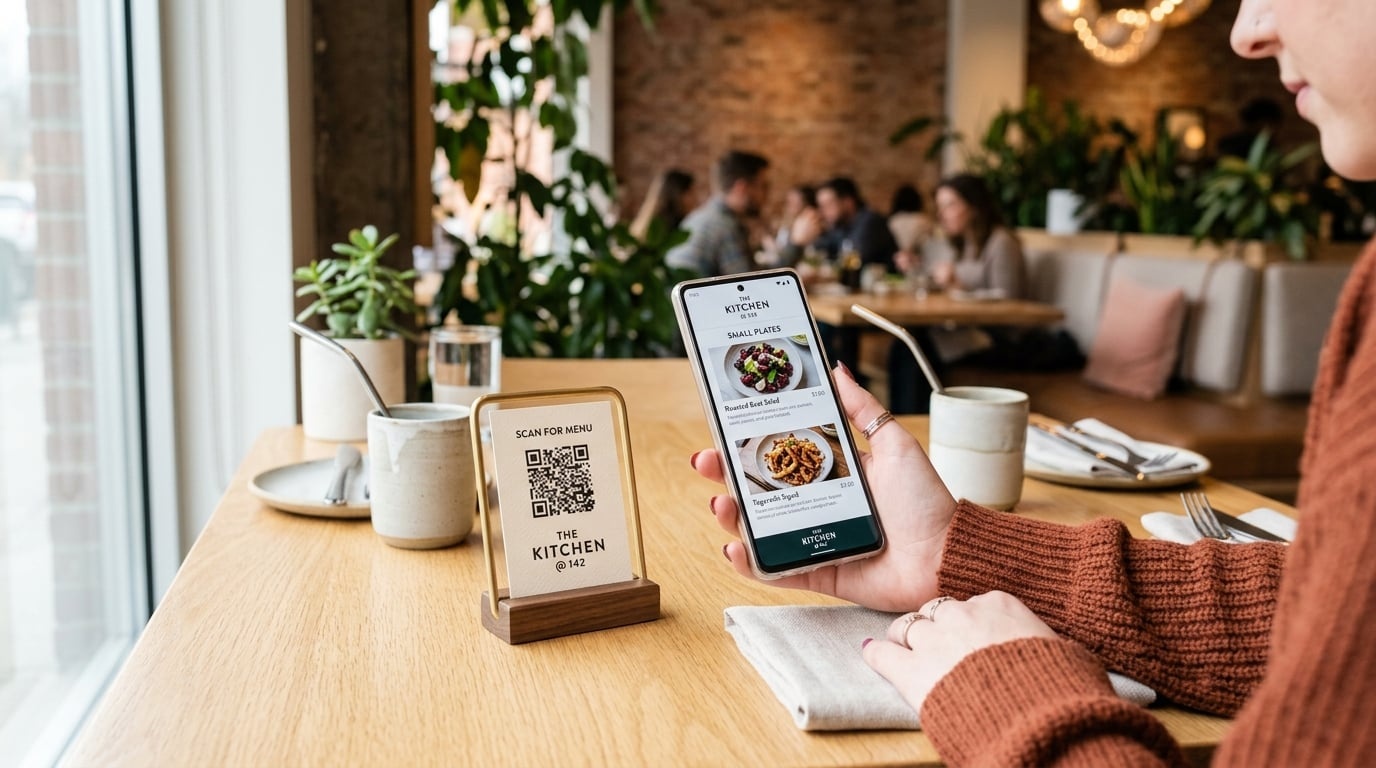
A compliant menu does three things well: it lists allergens clearly against each dish, it stays current whenever a recipe changes, and it makes the information easy for both guests and staff to read at a glance. Digital menus have an advantage here — you can update an allergen note once and it is live instantly, with no reprinting.
How MenuCraft helps you stay compliant
MenuCraft can analyse your dishes and automatically tag allergens and dietary suitability, then produce a clean, clearly labelled menu — printable or as a digital QR menu that updates instantly. It also generates a nutrition and allergen widget you can embed on your website, so the information is consistent everywhere a guest looks. Compliance stops being a spreadsheet chore and becomes a by-product of building your menu.
Allergen labelling is not red tape. It is the difference between a guest trusting you with their health and never risking your restaurant again.
This article is general guidance, not legal advice. Always check the current requirements with your local food safety authority.