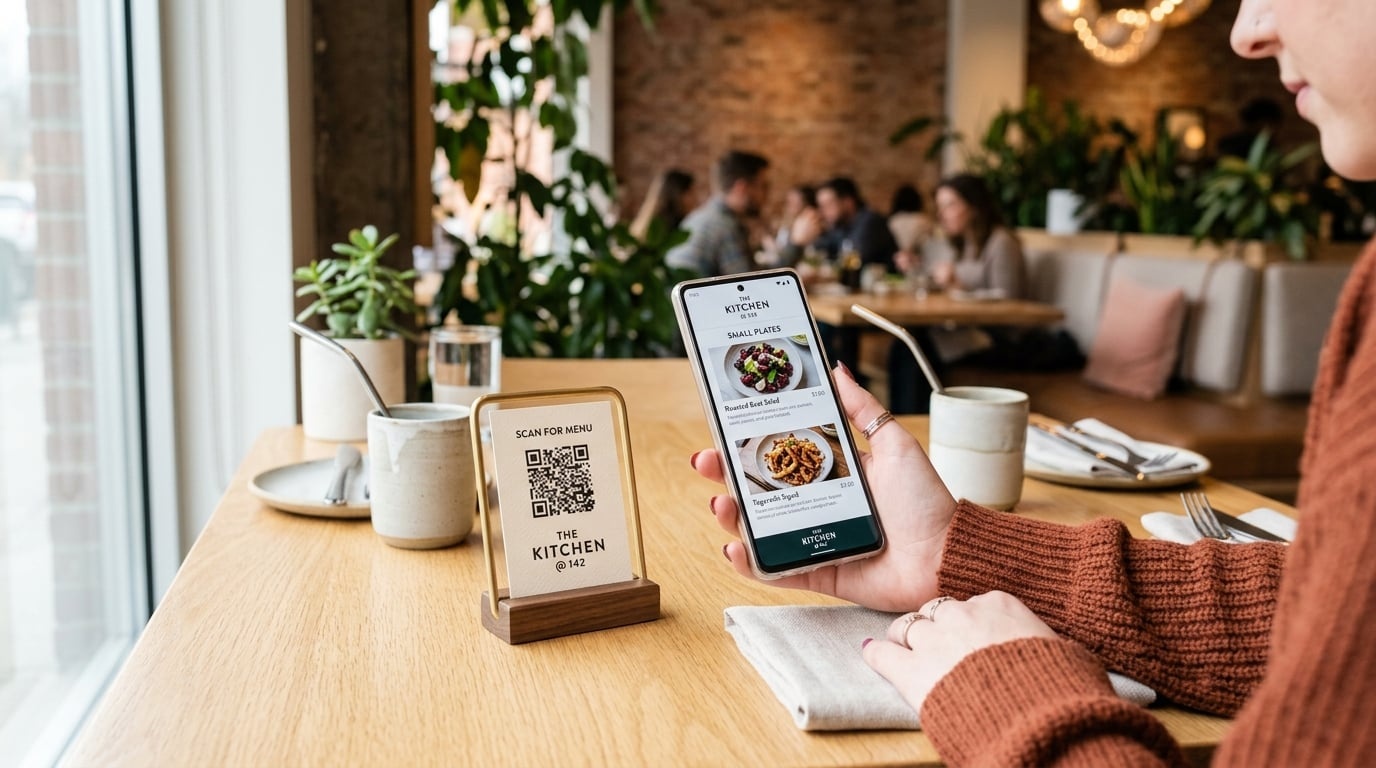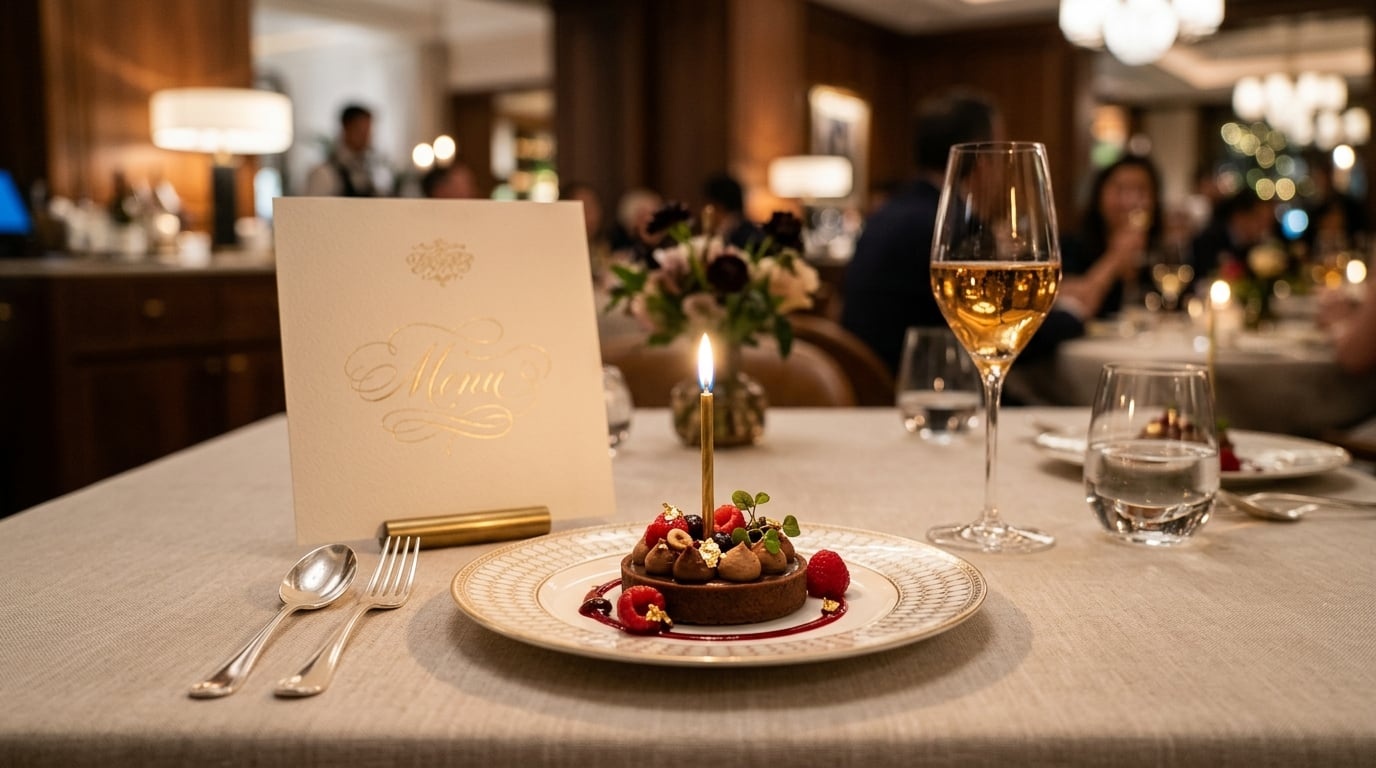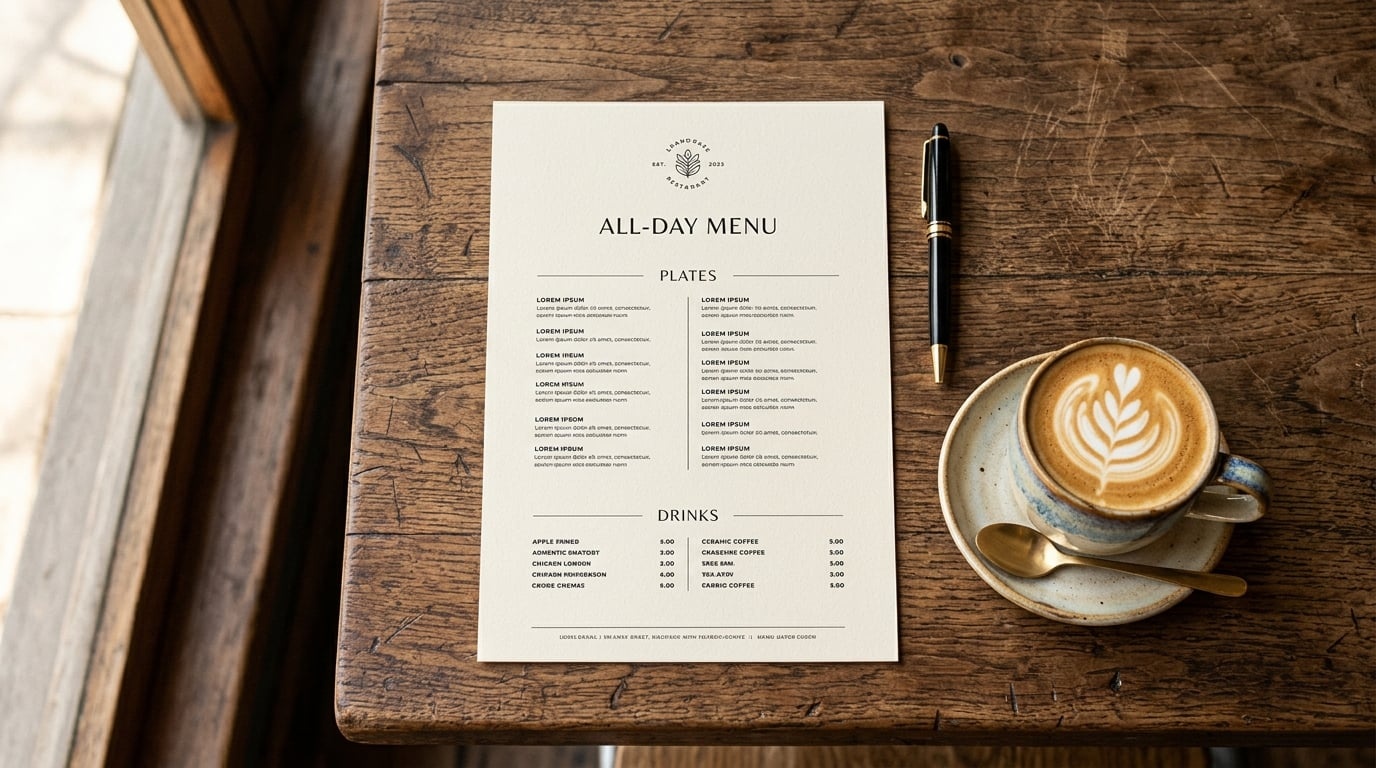
A menu is not a list of food. It is a sales tool that every single guest reads, and small changes to how it is designed can move average spend meaningfully — without changing your prices or your kitchen. This is the discipline of menu engineering, and you do not need a design degree to apply it.
Guide the eye deliberately
Guests do not read menus top to bottom. Their eyes jump around, and certain positions get more attention than others. Place your most profitable, most impressive dishes where the eye lands first — usually the top of a section or inside a boxed highlight. A dish that is buried in the middle of a long list is a dish that does not sell.
Write descriptions that make mouths water
Compare "chicken salad" with "chargrilled corn-fed chicken, avocado, toasted seeds and a lemon-tarragon dressing". The dish is identical; the sales are not. Sensory, specific language raises perceived value and justifies the price. Name the provenance, the technique and the standout ingredient.
- Use sensory words — chargrilled, silky, crisp, slow-cooked.
- Name origins where you can — a supplier, a region, a heritage variety.
- Keep it to one confident line. Over-writing every dish flattens the effect.
Handle pricing with psychology
- Drop the currency symbols. Menus that show "14" instead of "£14.00" consistently see higher spend — the symbol reminds people they are spending.
- Avoid a price column. A neat right-hand column turns your menu into a price-comparison chart. Place prices discreetly at the end of each description instead.
- Anchor with a premium item. One high-priced showpiece makes everything else feel reasonable by comparison.
Give every section a single "hero" dish a little visual weight. It nudges undecided guests toward your best-margin plate.
Keep it short and confident
A sprawling menu overwhelms guests and slows the kitchen. A tighter, well-chosen selection reads as confidence and makes decisions easier — which means faster ordering, happier guests and better food. If a dish neither sells nor makes money nor builds your reputation, it is taking up valuable space.
Design without a designer
The barrier for most independents is that professional menu design is expensive and slow. MenuCraft closes that gap: it takes your dishes and produces a clean, well-structured, professionally laid-out menu — with strong descriptions and sensible hierarchy — in minutes, ready to print or publish as a digital menu. You get the benefits of menu engineering without hiring an agency.
Your menu is read by every guest, every day. It is the cheapest and most powerful marketing you own.